
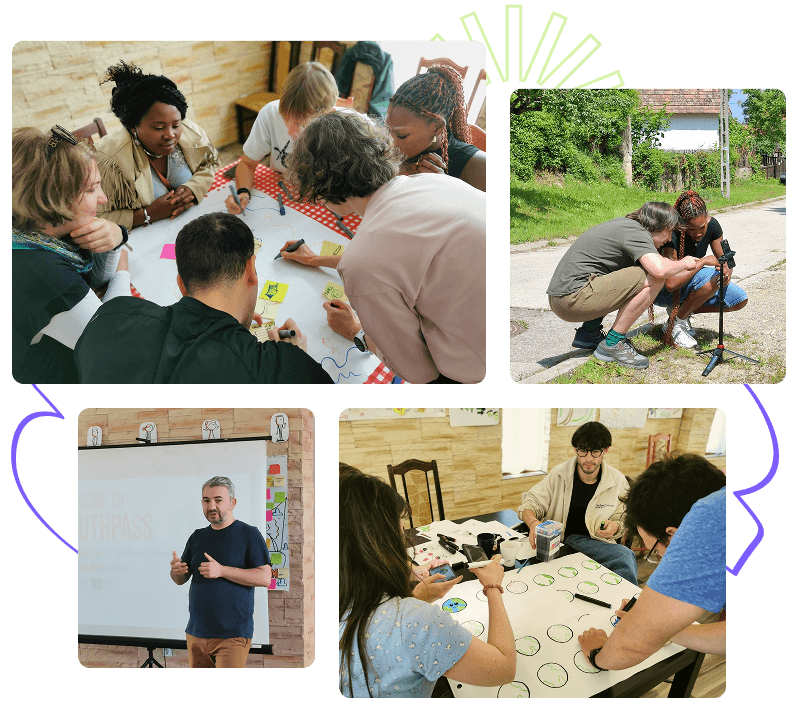
Lighthouse Academy
Creative Methods
These approaches help youth workers create engaging, accessible, and participatory learning environments.
Download methods in a PDF Toolkit.
Creative Methods
Storytelling
Storytelling is a powerful way to explore human rights, identity, and social change. By sharing personal narratives or engaging with fictional stories, young people reflect on values, belonging, and their role in society.
Stories connect emotion with understanding, making complex ideas more relatable and memorable. They build trust, foster empathy, and support dialogue across cultures.
At Lighthouse Academy, storytelling was explored through two creative formats: stop motion animation and smartphone filmmaking.
.png)
Stop Motion Animation
Stop motion animation transforms ideas into visual stories through characters, movement, and metaphor. It offers a playful yet meaningful way to explore topics such as equality, inclusion, and freedom.
During the Academy, participants developed characters, experimented with visual techniques, and produced short animated films inspired by human rights themes. The process encouraged creativity, teamwork, and clear project thinking.
Animation by participants

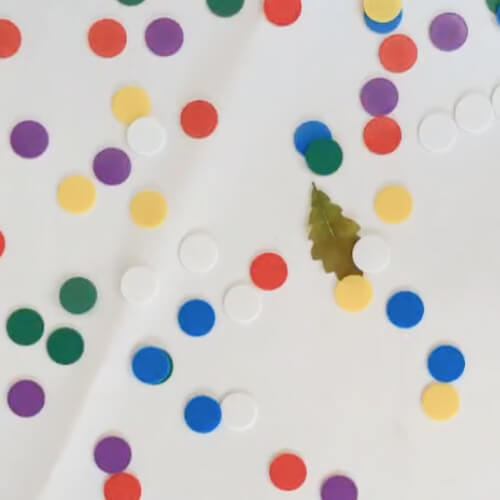
Diversity
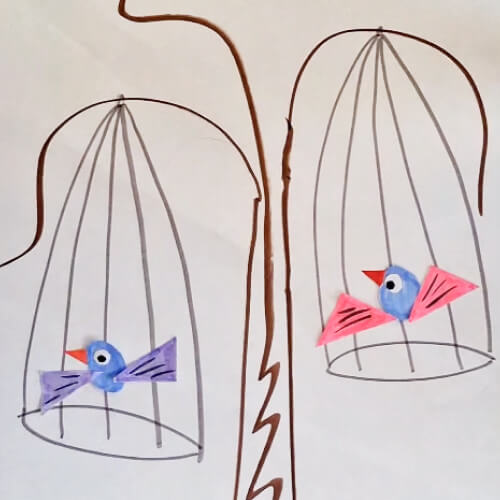
Freedom

All cups matter
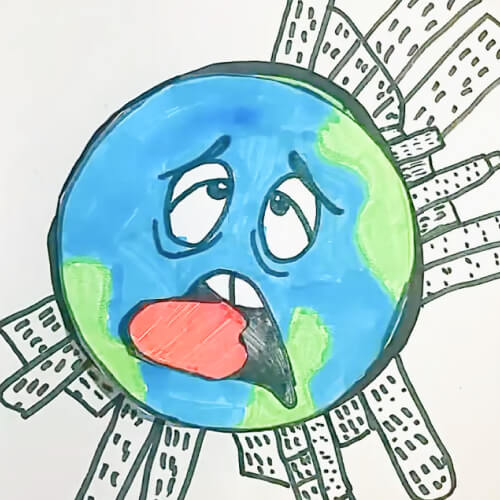
Earth
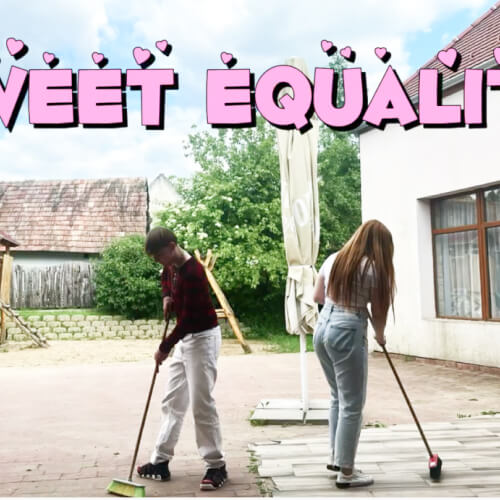
Sweet equality
Smartphone Films
Smartphone filmmaking empowers young people to shape and share their perspectives. Through short films, participants explored social issues, collaborated in teams, and translated ideas into visual narratives.
Video engages both emotion and critical thinking, making learning dynamic and immersive. At the Academy, teams created short films inspired by human rights themes and the local context, working within limited timeframes that required strong cooperation and shared responsibility.
Films by participants
Horror
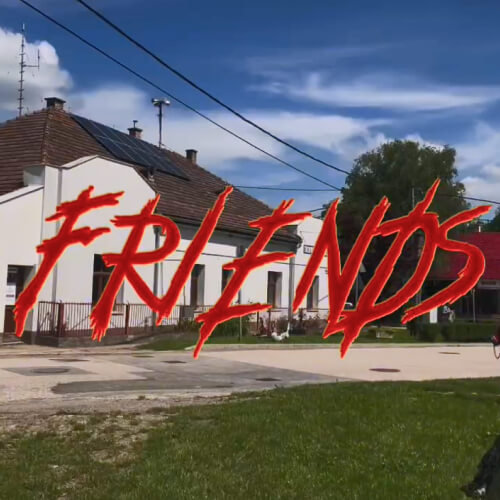
Friends
A site-specific film set around the abandoned mine entrances, reflecting the town’s mining history and its transformation over time.

Action
Fortunate Escape
A creative story set in the former mining area, highlighting teamwork and the power of collaboration to overcome challenges.

Love Story
Lighthouse of Love
Inspired by the “Abigale” story, this film reinterprets themes of values and cultural identity through a cinematic lens.
Detective
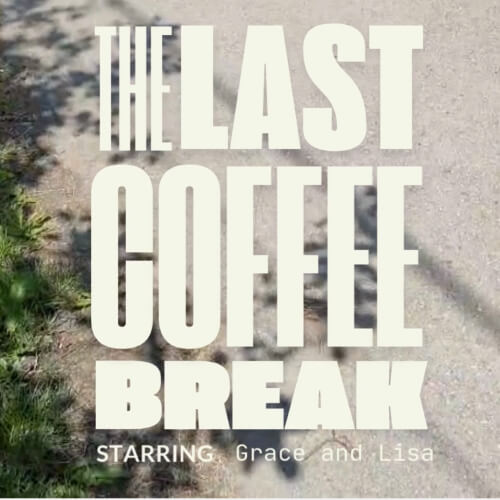
The Last Coffee Break
A site-specific film capturing everyday life in a small Hungarian town, where ordinary moments turn into unexpected stories.
Creative Methods
Graphic Facilitation
Graphic facilitation is a creative method for guiding discussions, workshops, and learning sessions by transforming spoken ideas into visual maps in real time. Using drawings, icons, charts, and key words, the facilitator listens carefully and captures the main points on large surfaces or digital boards as the conversation unfolds.
By shifting ideas from text-based dialogue to visual representation, this method enhances engagement, understanding, and memory. Complex topics become clearer and more accessible, while the visual outcomes serve as shared reference points. Graphic facilitation encourages participation — including from quieter group members — and fosters collective thinking and ownership of the content created together.
.png)
.png)
Creative Methods
Game-based methods
Game-based methods use elements of play, challenge, simulation, and role-play to explore topics such as human rights, inclusion, and social justice. In youth work, this can include digital games, board games, or interactive scenarios designed to encourage reflection and dialogue.
Games increase motivation and engagement by making learning active and experiential. They create space for experimentation, teamwork, and problem-solving while allowing participants to explore ideas in a safe and supportive environment. At Lighthouse Academy, participants experienced game-based learning through interactive exercises and practical examples.
Abigale Game
“Abigale” is an intercultural learning game used to explore values and cultural perspectives. Participants read a short story with several characters and individually rank their behavior. They then discuss their choices in small groups and work toward a shared ranking.
The exercise reveals how personal experiences and cultural backgrounds influence our understanding of “right” and “wrong.” It encourages dialogue, critical reflection, and greater awareness of bias while strengthening intercultural understanding and group decision-making.
.png)
.png)
Creative Walk
The Creative Walk emerged from the Academy’s peer-to-peer learning approach, where participants shared their own methods and experiences in youth work. Building on the themes explored during the training, they transformed the town into a space for reflection and artistic expression.
Through an interactive walk inspired by theatre and design practices, participants engaged with urban spaces to explore human rights stories and values. The experience demonstrated how public environments can become powerful platforms for dialogue, creativity, and collective learning.
Creative Methods
Participant Reflections
Participants explored animation, video-making, storytelling, games, and visual facilitation — discovering how creative methods can transform learning.


Visual arts, animation, and cartoon character drawing showed how creative methods and clear objectives can be used in project development. Plus, there was an amazing network and great support from the whole team.
I really enjoyed the stop motion, but I also found Abigail’s story very interesting — especially when it came to negotiating with large groups and debating the reasons behind their sequence.
I’m certain that I’ll use the methods of quick sketching for facilitators and stop motion, both within the project itself and when preparing grant applications.
Local Implementation
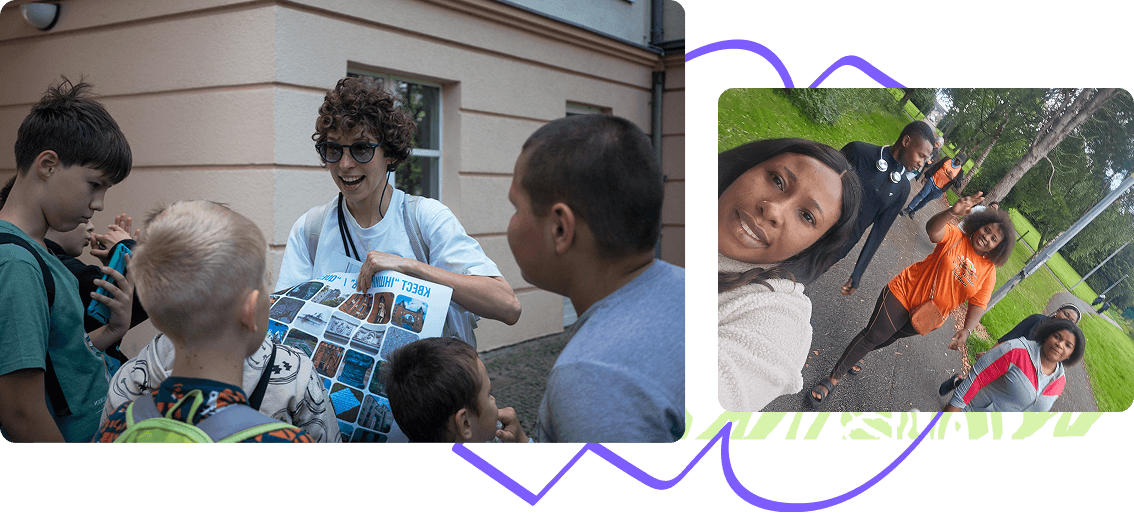
Creative methods explored during the Lighthouse Academy were later applied in local initiatives across Europe.
Participants adapted art-based and non-formal education approaches to respond to the needs of their communities, transforming learning into practical action.
